
Constipation, Bloating & Hair Shedding — The Gut–Hormone Link No One Talks About
Because hair health begins long before the follicle.
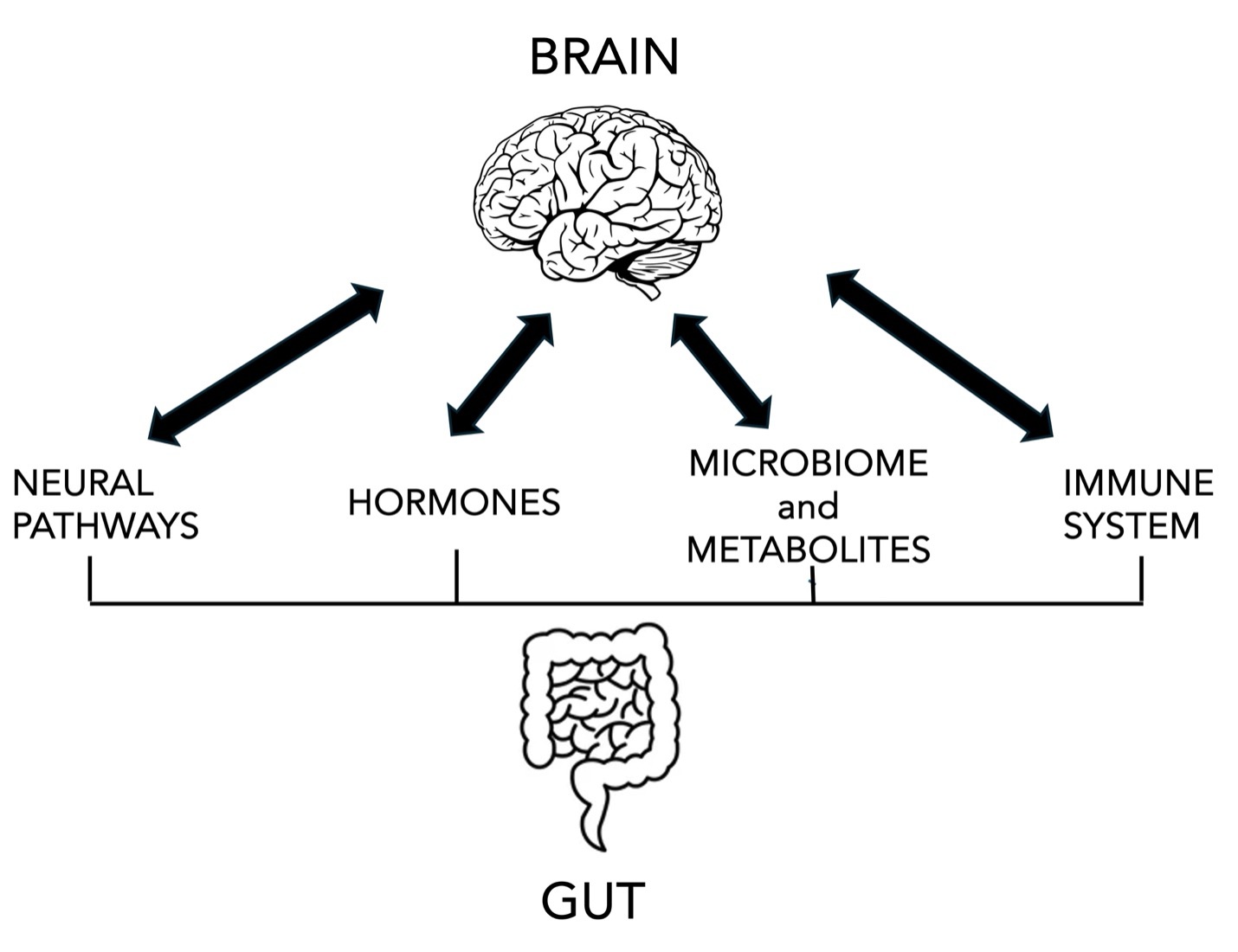
Digestive symptoms like bloating, constipation, slow motility, or irregular bowel movements are often treated as minor inconveniences. But biologically, they influence much more than digestion.
They affect:
- Hormone metabolism
- Inflammation levels
- Nutrient absorption
- Immune signalling
- Detoxification pathways
- Stress response
- Hair follicle cycling
When the gut slows down, the body enters subtle “compensation mode.” And one of the earliest systems affected is the hair follicle.
This is not coincidence — it is physiology.
Why Constipation Affects Hair More Than People Realise
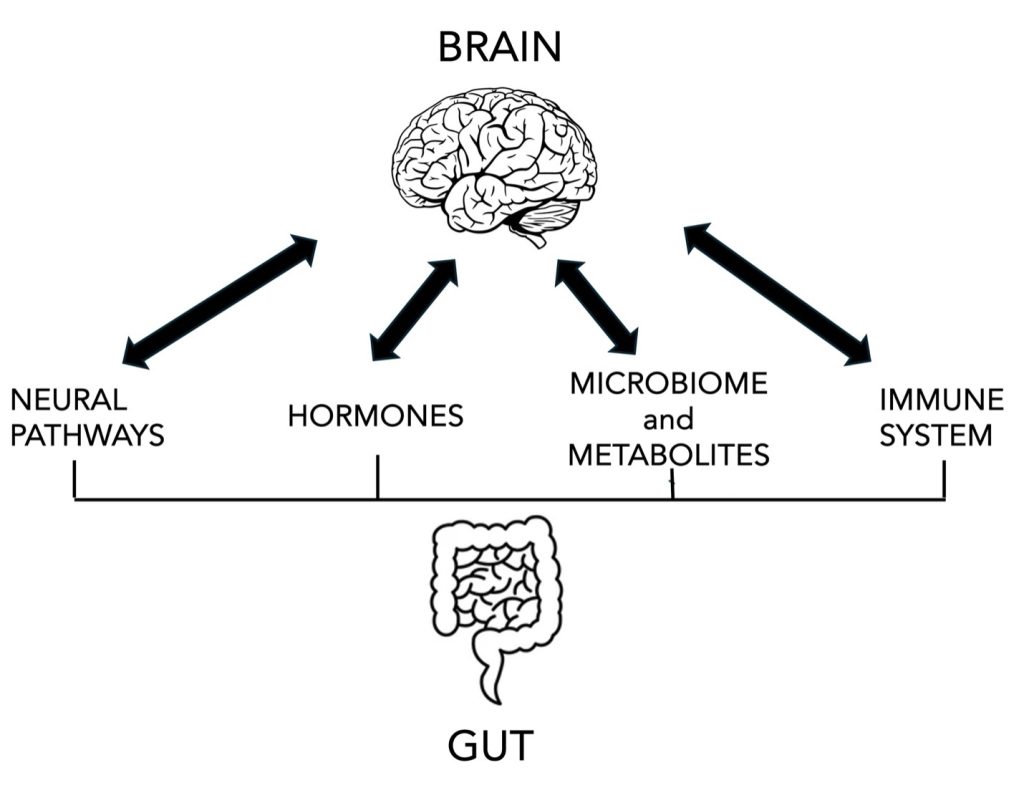
Constipation is not simply “not going enough.”
It affects the entire internal ecosystem.
When waste stays in the colon for too long:
- Estrogen gets reabsorbed into the bloodstream
- Inflammatory compounds remain in circulation
- Nutrient absorption becomes inconsistent
- Gut bacteria shift toward imbalance
- Liver detox pathways become strained
All of these influence hair growth.
The follicle relies on stable hormonal signals and clear detoxification pathways to stay in the growth phase. When the internal environment is congested, shedding increases and growth slows.
Bloating as a Sign of Gut–Hormone Imbalance
Chronic bloating can signal:
- Slow stomach emptying
- Small intestinal bacterial overgrowth (SIBO)
- Poor breakdown of proteins
- Inflammation
- Stress-induced motility slowdowns
When protein digestion is compromised, amino acid availability declines — and amino acids are the foundation of keratin.
Hair may grow, but it grows weaker.
The Estrogen Clearance Loop — and Why It Matters for Hair
One of the gut’s most overlooked functions is eliminating metabolised hormones.
If the gut is sluggish:

- Estrogen recirculates
- Hormone ratios shift
- Sebum production is altered
- Shedding can increase
- Scalp sensitivity intensifies
This is especially relevant for women with:
- Fibroids
- Heavy menstrual cycles
- PMS
- Estrogen dominance tendencies
- Slow digestion during stress
Hair responds to hormonal signals, not absolute levels.
A disrupted clearance loop sends confusing signals.
The Gut–Immune–Follicle Triangle
70% of the immune system lives in the gut.
When digestive function is compromised:
- Immune signalling becomes heightened
- The scalp becomes more reactive
- The follicle becomes more sensitive to inflammation
This can appear as:
- Increased shedding
- Scalp burning or tenderness
- Fluctuating hair density
- Slower regrowth
Again — the issue begins internally, not topically.
Why the Body Does This
During digestive stress, the body conserves energy by downregulating “non-essential” functions:
- Hair growth
- Skin turnover
- Nail strengthening
This is not dysfunction — it’s prioritisation.
Once the gut stabilises, the body reallocates resources.
The 12 Teaspoons Connection
12 Teaspoons formulations support gut-related hair challenges in two indirect but powerful ways:
1. Lowering inflammation
Aloe ferox, rosemary, MSM, and herbal extracts ease inflammatory load — allowing the gut–immune system to reset.
2. Creating a stable follicle environment
When internal stress decreases, topical care becomes significantly more effective.
This is why many customers see noticeably less shedding when they combine consistent use of:
with gentle digestive support and stable routines.
Week 8 Routine: Support Gut–Hormone Harmony

Focus on one or two consistent gut-supporting choices:
- Drink warm water first thing in the morning
- Add fibre-rich vegetables or fruit daily
- Avoid long fasting followed by heavy meals
- Introduce gentle movement after meals
- Keep scalp care calm and regular
- Prioritise hydration throughout the day
- Take GUT Rescue Flora at night just before you sleep
Small digestive shifts often create surprising hair shifts.
🔬 REFERENCES
- Baker, J. M., et al. (2017).
Interactions between the microbiome and the endocrine system.
Endocrine Reviews.
https://pubmed.ncbi.nlm.nih.gov/28938452/ - Flores, R., et al. (2012).
Gut bacteria and estrogen metabolism.
Journal of Clinical Endocrinology & Metabolism.
https://pubmed.ncbi.nlm.nih.gov/22355068/ - De Luca, F., & Shoenfeld, Y. (2019).
The microbiome in autoimmune diseases.
Clinical & Experimental Immunology.
https://pubmed.ncbi.nlm.nih.gov/31034674/ - Guo, Y., et al. (2020).
Gut dysbiosis and hair follicle inflammation.
Frontiers in Immunology.
https://www.frontiersin.org/articles/10.3389/fimmu.2020.604360/full - O’Mahony, S. M., et al. (2015).
Stress, gut motility, and the microbiome.
Brain, Behavior, and Immunity.
https://pubmed.ncbi.nlm.nih.gov/22841645/


About author




Add comment