
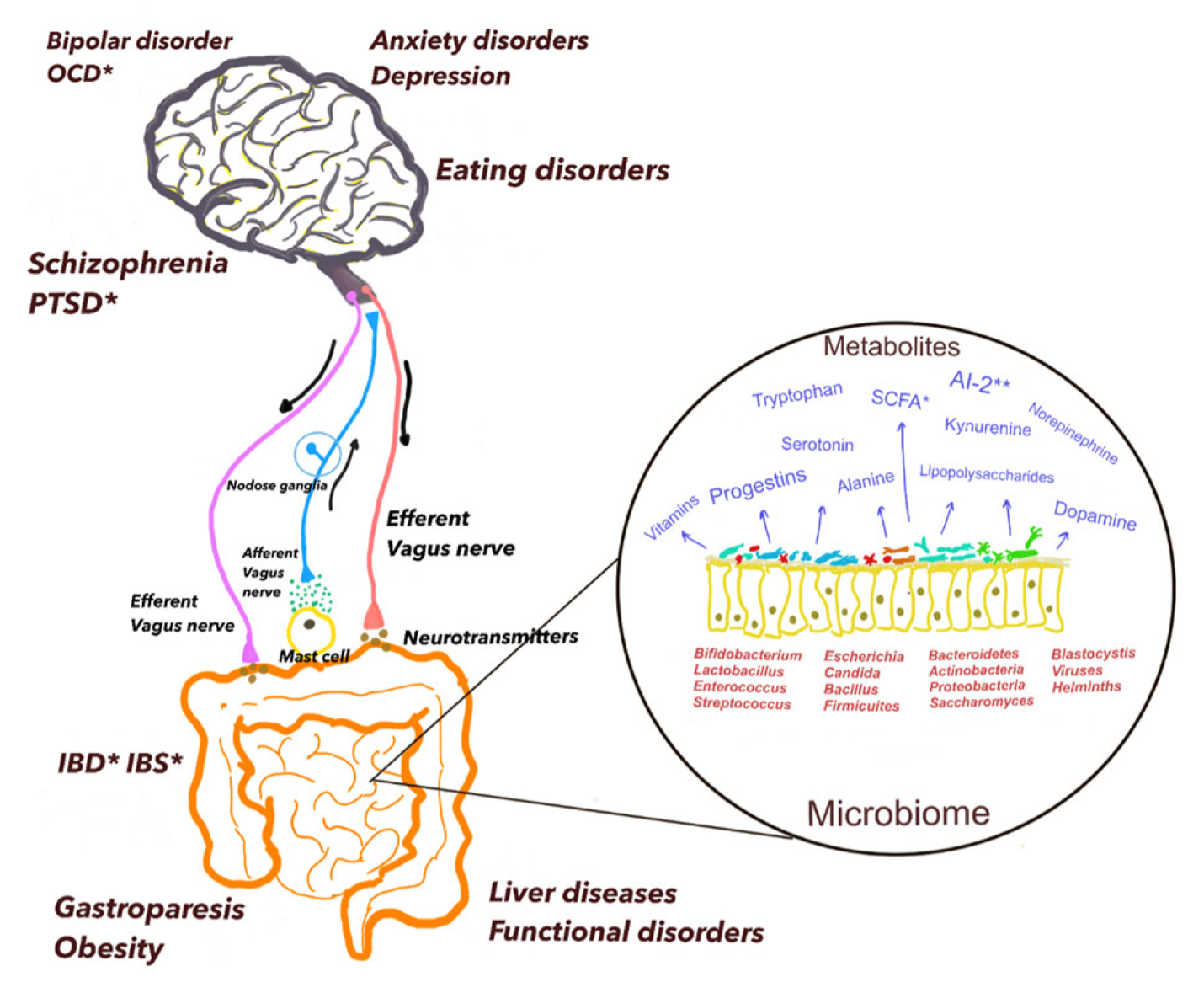
Constipation, PMS, Mood Shifts & Skin Flares — How the Gut Shapes Hormones
The gut doesn’t just digest food. It metabolises hormones.
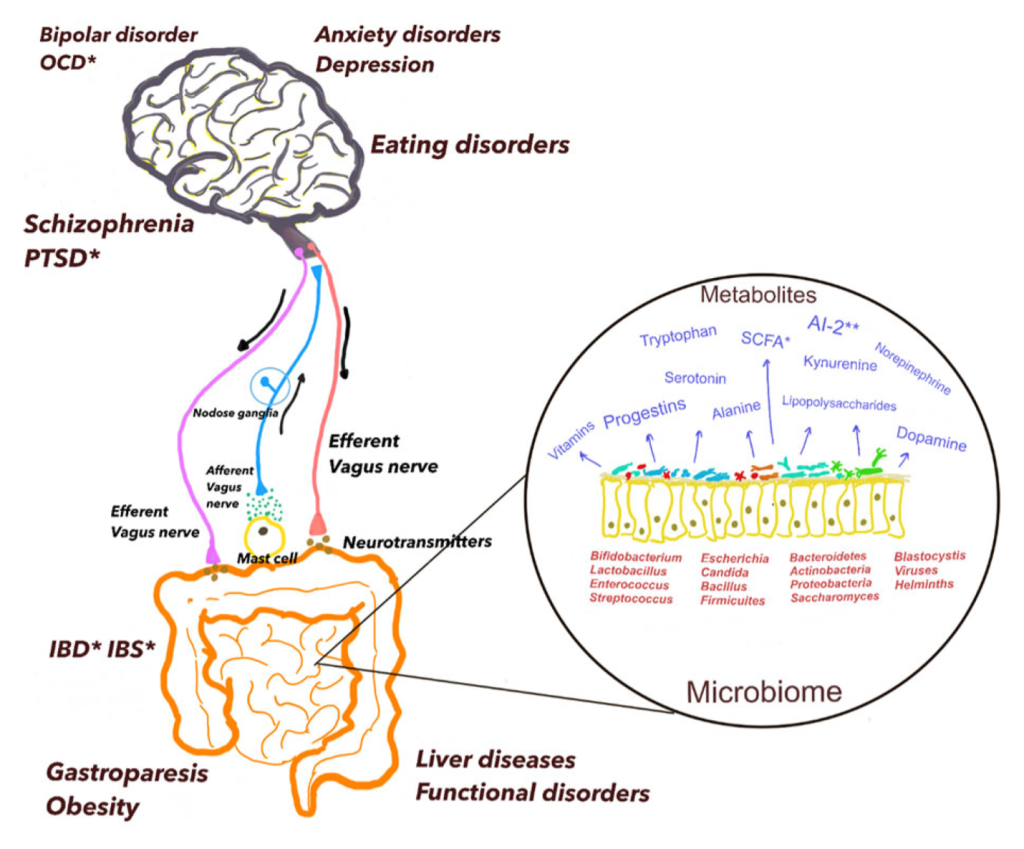
Hormones don’t act alone — they respond to the environment created in the gut
We often speak about hormones as if they operate independently, rising and falling on their own timeline. But in reality, hormones are shaped, activated, deactivated, and cleared by the gut.
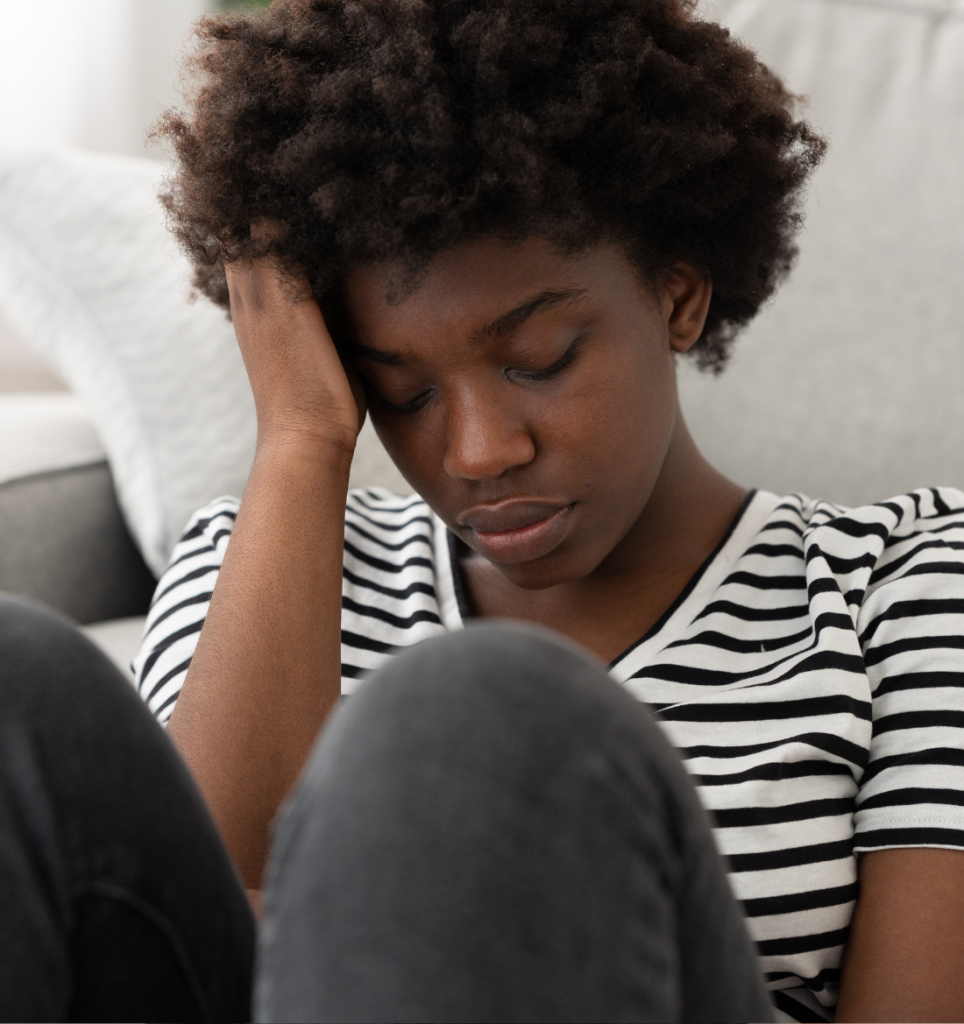
This is why digestive symptoms like constipation, bloating, or irregular bowel movements are more than discomfort — they are hormonal disruptors.
When the gut slows or becomes imbalanced, hormone levels begin to shift in ways that affect:
- PMS severity
- Breakouts
- Mood
- Energy
- Shedding
- Scalp sensitivity
- Skin pigmentation
The gut is not a passive system. It is a regulator.
🔄 The Hormone–Gut Loop Explained
Your digestive system influences hormones in three main ways:
1. Hormone Metabolism
The liver breaks down used hormones (especially estrogen).
The gut then eliminates them.
If the gut is slow → estrogen is reabsorbed → levels rise unintentionally.
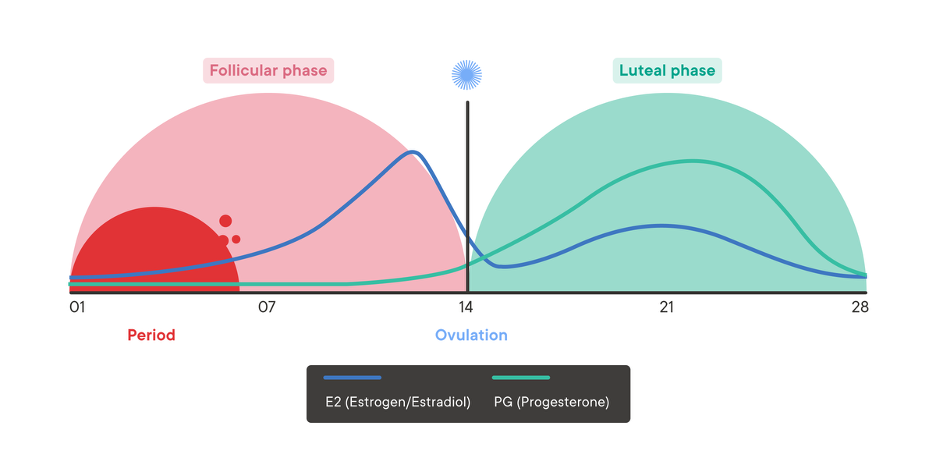
This can intensify:
- Breast tenderness
- PMS
- Mood changes
- Pigmentation
- Acne
- Water retention
- Hair shedding
This is called enterohepatic recycling, and it is one of the least-discussed drivers of hormonal symptoms.
2. Hormone Signalling
A healthy gut microbiome helps regulate:
- Estrogen receptor activity
- Progesterone sensitivity
- Cortisol rhythms
- Stress response
- Immune signalling
When the microbiome is disrupted, hormone signals become “noisy,” leading to:
- Mood volatility
- Short tempers
- Sudden fatigue
- Sleep disruption
- Skin inflammation
- Cycle irregularities
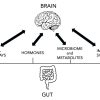
The gut is constantly communicating with the endocrine system.
3. Hormone Clearance
Constipation = slower clearance of used hormones.
This doesn’t cause “high estrogen” by itself —
it causes estrogen that lingers, sending confusing messages to the body.
This leads to:
- Sporadic shedding
- Fluctuating skin texture
- Mid-cycle breakouts
- PMS acne
- Lower pain threshold
- Fluid retention
Hormonal stability requires hormonal motion — not stagnation.
😮 Skin: The Hormone Billboard
The skin expresses gut–hormone imbalances in visible ways:

When estrogen lingers:
- Melasma deepens
- Hyperpigmentation intensifies
- Breakouts flare around the chin and jawline
- Skin looks dull or “puffy”
When inflammation rises:
- Reactive skin
- Redness
- Itchiness
- Delayed healing
- Eczema-like flares
When cortisol stays elevated:
- Thinning skin
- Increased shedding
- Worsening scalp sensitivity
The skin translates internal patterns incredibly quickly.
💇♀️ Hair: The Hormone Messenger
Hair follicles depend on hormonal clarity, not perfection.
When the gut-hormone loop is disrupted:
- Growth phases shorten
- Resting phases lengthen
- Shedding increases
- Strands grow thinner
- Follicles become more reactive
This is why improvements in digestion often lead to:
- Less shedding
- More density
- Calmer scalp
- Better moisture retention
Hair listens to hormones.Hormones listen to the gut.
🌱 The 12 Teaspoons × Tati Love Skin Perspective
Your product philosophy already aligns beautifully with hormone-aware care.
12 Teaspoons
Supports follicles during hormonal fluctuations by:
- Reducing inflammation
- Improving scalp circulation
- Providing supportive nourishment
- Strengthening follicle stability
Tati Love Skin
Supports skin during hormonal cycles by:
- Protecting the barrier
- Reducing sensitivity
- Supporting recovery
- Improving clarity and repair
Internal stability + external support = visible transformation.
Routine: Create Hormonal Flow
Choose 1–2 consistent habits:
Morning
- Warm water + fibre
- Protein with breakfast
- Light movement
Midday
- Avoid skipping meals
- Hydrate slowly
- Add colour to the plate
Evening
- Magnesium-rich foods
- Eat earlier
- Reduce screen stimulation
This is how the gut restores calm — and how hormones follow.
🔬 REFERENCES
- Plottel, C. S., & Blaser, M. J. (2011).
Microbiome and estrogen metabolism.
mBio.
https://pubmed.ncbi.nlm.nih.gov/21363980/ - Baker, J. M., et al. (2017).
Interactions between the microbiome and the endocrine system.
Endocrine Reviews.
https://pubmed.ncbi.nlm.nih.gov/28938452/ - Koivuaho, E., et al. (2019).
Gut function and hormonal symptoms in women.
Journal of Clinical Endocrinology & Metabolism.
https://pubmed.ncbi.nlm.nih.gov/31127894/ - Tilg, H., & Moschen, A. (2015).
Microbiota and immune regulation.
Nature Reviews Immunology.
https://pubmed.ncbi.nlm.nih.gov/26122180/ - O’Mahony, S. M., et al. (2011).
Stress and gut barrier function.
Neurogastroenterology & Motility.
https://pubmed.ncbi.nlm.nih.gov/21481085/


About author


Add comment